
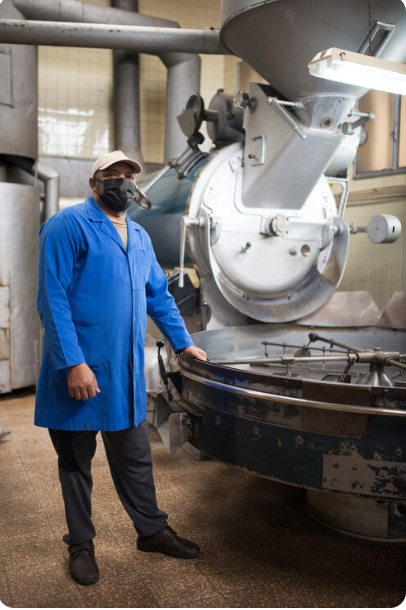
A flywheel is one of the key mechanical components responsible for maintaining stability in rotating systems. Although it often operates unnoticed, its contribution to engine performance, energy transfer, and vibration reduction is significant. For this reason, selecting the right flywheel manufacturer is about much more than sourcing a component. It is about ensuring the reliability and long-term performance of the entire mechanical system.
As industrial technologies continue to evolve, manufacturers are expected to deliver components with greater precision, higher durability, and consistent quality. A professionally manufactured flywheel not only improves operational efficiency but also supports safer and more dependable machinery across a wide range of industries.
Understanding the Function of a Flywheel
A flywheel is designed to store rotational energy and release it smoothly whenever the system requires it. This process helps maintain a stable rotational speed, minimizes sudden fluctuations, and absorbs unwanted vibrations generated during operation.
Because of these characteristics, flywheels contribute to smoother engine performance, reduced stress on mechanical parts, and improved operational efficiency. They also help extend the service life of connected equipment by lowering the impact of irregular loads and excessive wear.
Even minor manufacturing inaccuracies can affect the balance of the flywheel, potentially leading to increased vibration, reduced efficiency, and mechanical failures. This highlights why manufacturing quality plays such an essential role.
Why the Right Flywheel Manufacturer Matters
A reliable flywheel manufacturer does far more than produce standard components. Every application has different technical demands, requiring flywheels with specific dimensions, weight distribution, material properties, and balancing accuracy.
Manufacturers serving multiple industries must understand these varying requirements and adapt their production accordingly. Whether the component is intended for automotive systems or heavy industrial machinery, every stage of production must meet strict engineering standards.
High manufacturing precision, careful machining, and comprehensive quality inspections all contribute to a product capable of performing consistently under demanding operating conditions.
Benefits of Precision Manufacturing
Choosing a flywheel produced with high manufacturing standards provides advantages throughout the entire mechanical system.
A properly balanced flywheel improves rotational stability, allowing engines and machinery to operate more efficiently. This results in smoother performance, lower vibration levels, and less mechanical stress on surrounding components.
High-quality manufacturing also helps reduce maintenance frequency. Since components experience less wear, businesses can minimize downtime and lower long-term operating costs.
Safety is another important consideration. In applications involving high rotational speeds, even a small production defect may create serious operational risks. Working with an experienced manufacturer significantly reduces these possibilities through accurate engineering and rigorous testing procedures.
Industries That Depend on Flywheels
Flywheels are widely used across numerous industrial sectors because of their ability to regulate rotational energy and maintain system balance.
In the automotive industry, they play a critical role in engine operation and power transmission. Industrial machinery relies on flywheels to stabilize mechanical movement and improve energy efficiency. Agricultural equipment, manufacturing systems, production lines, and various heavy-duty machines also benefit from their performance.
Since every industry operates under different environmental and mechanical conditions, flywheels must be designed according to their intended application. Temperature, operating speed, vibration levels, and continuous workload all influence the manufacturing process.
An experienced flywheel manufacturer carefully evaluates these technical requirements before production begins, ensuring each product is optimized for its working environment.
Factors to Consider When Selecting a Flywheel Manufacturer
Choosing the right manufacturer requires evaluating more than pricing alone.
Manufacturing experience is one of the first aspects to consider. Companies with extensive engineering knowledge are generally better equipped to develop reliable solutions for different industries and applications.
Material quality is equally important. Durable raw materials directly affect the lifespan, strength, and operational performance of the flywheel.
Modern production technology also contributes to better results. Advanced machining equipment and precision balancing systems help achieve tighter tolerances and more consistent product quality.
In addition, after-sales technical support reflects a manufacturer’s commitment to customer satisfaction. A company that provides guidance, technical assistance, and responsive service adds long-term value beyond the initial purchase.
Long-Term Advantages of Working with an Experienced Manufacturer
Partnering with a trusted flywheel manufacturer creates benefits that extend well beyond the delivery of the component itself.
Reliable manufacturing improves equipment performance, minimizes unexpected breakdowns, and supports uninterrupted production processes. Businesses also benefit from lower maintenance expenses and greater operational efficiency throughout the product’s lifecycle.
Since every component within a mechanical system works together, the quality of a single flywheel can influence the overall stability and productivity of the entire machine. Investing in precision manufacturing today often prevents costly repairs and production interruptions in the future.
Conclusion
The importance of a flywheel manufacturer reaches far beyond producing a mechanical component. Precision engineering, high-quality materials, advanced manufacturing processes, and strict quality control all contribute to creating flywheels capable of delivering reliable long-term performance.
Choosing the right manufacturing partner means investing in efficiency, durability, and operational safety. When a flywheel is designed and produced with accuracy, the entire mechanical system benefits from smoother performance, longer service life, and greater reliability.
Another factor that distinguishes a professional flywheel manufacturer is its commitment to continuous improvement and engineering development. Manufacturing standards are constantly evolving as industries demand greater efficiency, tighter tolerances, and longer-lasting components. Companies that invest in modern production technologies, precision machining equipment, and advanced inspection systems are better positioned to meet these changing expectations.
Beyond manufacturing capabilities, technical expertise also plays a critical role. A manufacturer that understands the operational challenges of different industries can recommend the most suitable flywheel design for each application rather than offering a one-size-fits-all solution. This engineering approach helps customers improve machine reliability while reducing unnecessary maintenance and operational interruptions.
In addition, consistency is just as important as product quality. Every flywheel should meet the same strict production standards regardless of order quantity, ensuring predictable performance throughout its service life. Businesses operating in competitive industries cannot afford unexpected equipment failures caused by inconsistent components. For this reason, establishing a long-term partnership with an experienced flywheel manufacturer provides value that extends beyond a single purchase. Reliable production, technical knowledge, responsive customer support, and a commitment to quality all contribute to building stronger mechanical systems and more efficient production processes.