
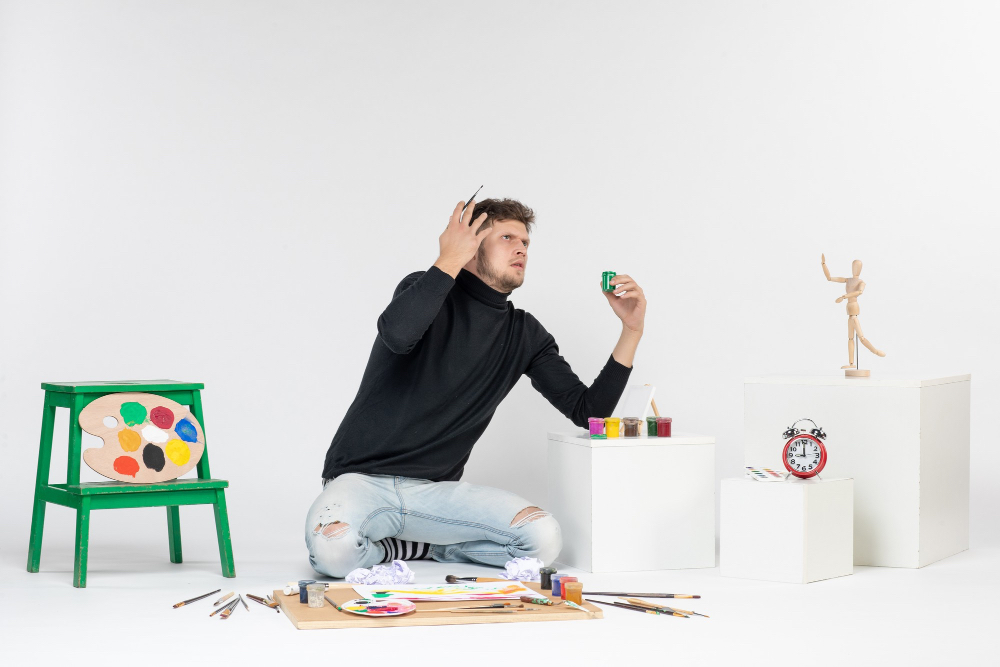
Many people don’t think of themselves as “creative” until something interrupts the small, expressive habits woven into everyday life. Cooking without a recipe, fixing things around the house, journaling, playing music, sketching, or even problem-solving on the fly are all forms of creativity. After a personal injury, these quiet expressions often fade—not because interest disappears, but because energy, focus, or confidence shifts.
This subtle loss is something people sometimes mention when speaking with a Personal Injury Lawyer while describing changes that don’t fit neatly into physical symptoms.
Mental Space Shrinks During Recovery
Creativity often requires mental freedom. After an injury, much of that space is taken up by monitoring pain, managing schedules, and conserving energy.
This can result in:
- Less curiosity or experimentation
- Difficulty concentrating for extended periods
- Reduced motivation to start creative tasks
- Feeling mentally “crowded”
The mind becomes task-focused rather than exploratory.
Physical Limitations Interrupt Creative Flow
Many creative activities involve physical movement, even in small ways.
Examples include:
- Hands tiring quickly during writing or drawing
- Sitting discomfort interrupting focus
- Limited range of motion affecting hobbies
- Fatigue cutting creative sessions short
Interruptions break momentum, making it harder to re-engage.
Creativity Feels Less “Useful” During Recovery
During recovery, attention often shifts to what feels necessary rather than expressive.
People may think:
- “I should rest instead.”
- “This isn’t productive.”
- “I don’t have the energy for this.”
As a result, creative outlets are often set aside first, even though they once provided balance or relief.
Problem-Solving Turns Into Caution
Before an injury, creativity often shows up in everyday problem-solving. Afterward, caution replaces improvisation.
This may look like:
- Avoiding trial and error
- Sticking to familiar methods
- Hesitating to try new approaches
- Choosing safety over experimentation
Creative confidence becomes restrained.
Emotional Expression Can Feel Blocked
Creative outlets often help people process emotion. When those outlets fade, emotions may feel stuck.
This can lead to:
- Frustration without release
- Difficulty articulating feelings
- Emotional restlessness
- Feeling disconnected from self-expression
The loss isn’t always obvious, but it’s felt.
Why This Change Is Rarely Recognized
Creativity isn’t usually seen as essential, so its absence is easy to dismiss.
People may assume:
- It will return on its own
- It’s not important during recovery
- Other priorities matter more
Yet creativity often supports emotional resilience and identity.
Why Creative Changes Matter in Injury Cases
When someone consults a Personal Injury Lawyer, reduced creative engagement helps illustrate how an injury affects quality of life beyond physical ability.
These changes can reflect:
- Loss of enjoyment
- Reduced mental flexibility
- Emotional strain
- Disruption of personal identity
They help show impact beyond measurable limitations.
Creativity Often Returns in New Forms
For many injury victims, creativity doesn’t disappear—it changes.
This may involve:
- Shorter creative sessions
- Lower-energy outlets
- New forms of expression
- Letting creativity be imperfect
Expression adapts to capacity rather than vanishing entirely.
Conclusion
A personal injury can quiet creativity in ways that aren’t immediately obvious. When mental space shrinks and energy is limited, expressive habits are often the first to go. The loss may feel subtle, but it affects identity, emotion, and daily fulfillment.