
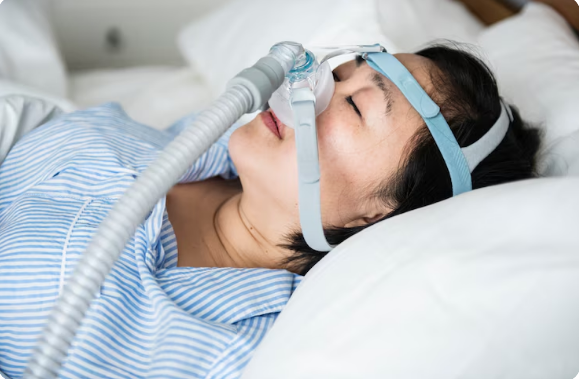
Sleep apnea is a serious sleep disorder in which a person’s breathing repeatedly stops and starts during sleep. These interruptions can last from a few seconds to minutes and may occur dozens of times per hour. Sleep apnea disrupts normal sleep patterns, preventing restorative sleep and leading to daytime fatigue, irritability, and other health complications.
Types of Sleep Apnea
There are three main types of sleep apnea. Obstructive Sleep Apnea (OSA) is the most common and occurs when throat muscles relax and block the airway. Central Sleep Apnea (CSA) happens when the brain fails to send proper signals to the muscles that control breathing. Complex Sleep Apnea Syndrome, also called treatment-emergent central sleep apnea, is a combination of both OSA and CSA. Identifying the type of sleep apnea is essential for selecting the most effective treatment.
Causes and Risk Factors
Sleep apnea can develop due to several factors. Excess weight, particularly around the neck, increases the likelihood of airway obstruction. Anatomical differences, such as a narrow airway, enlarged tonsils, or a recessed jaw, may also contribute. Other risk factors include age, gender (men are more likely to develop sleep apnea), family history, smoking, alcohol use, and certain medical conditions like high blood pressure and diabetes.
Symptoms of Sleep Apnea
Common symptoms include loud snoring, gasping or choking during sleep, and excessive daytime sleepiness. Other signs may include morning headaches, difficulty concentrating, irritability, dry mouth or sore throat upon waking, and insomnia. Because sleep apnea often goes unnoticed during sleep, it may be diagnosed only when a partner observes the symptoms or during a sleep study.
Health Risks of Untreated Sleep Apnea
If left untreated, sleep apnea can lead to serious health issues. Chronic sleep disruption increases the risk of high blood pressure, heart disease, stroke, diabetes, and obesity. It can also contribute to memory problems, depression, and decreased work or school performance. Treating sleep apnea is critical not only for improving sleep quality but also for preventing long-term health complications.
Treatment Options
Treatment for sleep apnea varies depending on severity and type. Lifestyle changes such as weight loss, quitting smoking, reducing alcohol intake, and sleeping on one’s side can alleviate mild cases. Continuous Positive Airway Pressure (CPAP) therapy is a common treatment for moderate to severe OSA, providing a steady stream of air to keep airways open during sleep. Oral appliances can reposition the jaw or tongue to prevent airway collapse. In severe or anatomical cases, surgery may be recommended to remove obstructions or correct structural issues. Behavioral therapy and proper sleep hygiene also complement treatment.
Conclusion
Sleep apnea is a common but serious condition that can impact overall health and quality of life. Recognizing symptoms, understanding risk factors, and seeking timely medical evaluation are essential for effective management. With proper treatment—including lifestyle adjustments, CPAP therapy, dental devices, or surgery—individuals with sleep apnea can achieve restful sleep, improve daytime functioning, and reduce the risk of long-term health complications.