
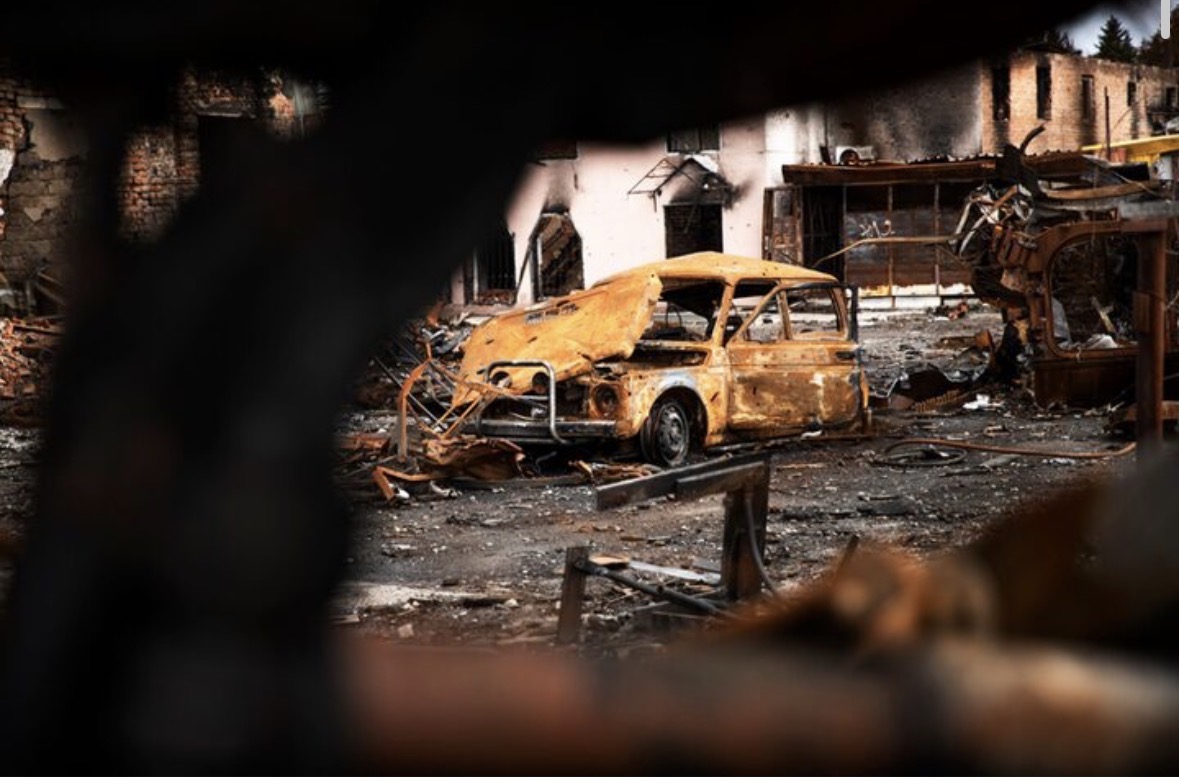
Many vehicles continue running mechanically long after their engines or transmissions begin aging. However, one problem often ends a car’s usable life before anything else: rust.
Corrosion develops slowly, but once it spreads far enough, repairs become difficult, expensive, and sometimes unsafe. For countless older vehicles, rust becomes the deciding factor that finally takes them off the road permanently.
Rust Begins With Moisture and Oxygen
Rust forms when metal reacts with oxygen and moisture over time.
Vehicles are constantly exposed to conditions that encourage corrosion, including:
- Rain
- Snow
- Humidity
- Road salt
- Mud
- Coastal air
Once protective paint or coatings become damaged, bare metal underneath becomes vulnerable to oxidation.
Small scratches, chips, or cracks may eventually turn into much larger corrosion problems if left untreated.
Road Salt Accelerates Corrosion Dramatically
In colder regions, road salt is one of the biggest causes of long-term rust damage.
Salt helps melt ice and improve winter driving safety, but it also speeds up the corrosion process significantly.
Salt commonly accumulates underneath vehicles around:
- Wheel wells
- Frames
- Brake lines
- Suspension mounts
- Exhaust systems
Without regular washing, corrosion can spread quickly through areas that drivers rarely inspect closely.
Rust Often Starts Hidden From View
One reason rust becomes so serious is that it frequently begins in places owners cannot easily see.
Corrosion commonly develops inside:
- Rocker panels
- Door seams
- Undercarriages
- Floor pans
- Drainage channels
By the time visible rust bubbles appear on exterior paint, structural damage underneath may already be extensive.
This hidden progression makes rust difficult to stop once it reaches advanced stages.
Structural Rust Creates Safety Risks
Surface rust may look cosmetic initially, but deeper corrosion can weaken important structural components.
Severe rust damage may affect:
- Vehicle frames
- Suspension mounting points
- Brake lines
- Steering components
- Seatbelt anchors
At that point, the vehicle may no longer meet safety standards even if the engine still runs properly.
In some regions, extensive structural rust can cause vehicles to fail inspections automatically.
Rust Repairs Are Extremely Labor-Intensive
Proper rust repair involves far more than simply sanding and repainting affected areas.
Severe corrosion often requires:
- Cutting out damaged metal
- Welding replacement panels
- Treating surrounding corrosion
- Repainting large sections
- Replacing weakened components
Because rust tends to spread internally, repairs can quickly become labor-intensive and expensive.
For older vehicles with declining value, the cost of restoration often exceeds the practical worth of the car.
Older Vehicles Are Especially Vulnerable
Modern cars include improved corrosion protection compared to older generations of vehicles, but no car is completely immune to rust forever.
As vehicles age, protective coatings wear down and years of environmental exposure begin accumulating.
Older cars commonly develop rust faster because of:
- Outdated rust-proofing methods
- Years of winter driving
- Long-term outdoor parking
- Existing paint damage
Once corrosion reaches critical structural areas, long-term reliability declines rapidly.
Rust Also Affects Appearance and Resale Value
Even moderate rust significantly reduces resale appeal.
Buyers often associate visible corrosion with:
- Hidden structural problems
- Neglected maintenance
- Future repair expenses
Rust around wheel wells, doors, or undercarriages can lower resale value quickly even when the vehicle remains mechanically functional.
This makes older rust-damaged vehicles harder to sell privately.
Preventing Rust Requires Consistent Care
Drivers can slow corrosion through preventative maintenance and regular cleaning.
Helpful practices include:
- Washing road salt off frequently
- Repairing paint chips quickly
- Keeping drain holes clear
- Applying rust protection treatments
- Storing vehicles indoors when possible
While prevention cannot stop aging entirely, it can greatly extend a vehicle’s lifespan.
Why Rust Eventually Sends Many Cars Off the Road
At a certain point, rust damage becomes too widespread or expensive to repair safely.
An older vehicle with severe corrosion may also face additional problems involving:
- Suspension wear
- Brake deterioration
- Electrical issues
- Engine aging
When repair costs begin stacking together, many owners eventually consider alternatives such as Cash For Junk Cars rather than investing heavily in structurally compromised vehicles.
Final Thoughts
Rust remains one of the most destructive long-term problems any vehicle can face. Moisture, road salt, and environmental exposure gradually weaken metal components until repairs become impractical or unsafe.
Understanding how corrosion develops helps drivers recognize the importance of early prevention and why rust eventually becomes the reason many otherwise functional vehicles are permanently removed from the road.