
There was a time when sleep was something to be sacrificed – late nights, early mornings, and the constant assertion that “I’ll sleep when I’m dead.” For decades, productivity culture glorified sleeplessness. Burnout was normal. Rest was rare.
Today, something is shifting. Sleep is no longer seen as a luxury or a nuisance to be postponed. Instead, it has become a priority – a key piece of health and wellbeing rather than a sign of weakness. And this change is not subtle. It’s visible in markets, in habits, and in the way younger generations talk about their bodies and minds.
According to industry estimates, the global wellness economy has expanded dramatically in recent years, and a large part of that growth is driven by interest in sleep health. People are investing time, attention, and money into understanding why they sleep the way they do, and how to sleep better. They are not only interested in more sleep, but in higher-quality, restorative sleep.
What Research Tells Us About Frequency and Wakefulness
One area of interest connects sound frequencies to rest. A study published in the Journal of Low Frequency Noise, Vibration and Active Control examined how exposure to a 42 Hz frequency affected wakefulness in human participants. The researchers found that individuals exposed to the tone experienced reductions in spontaneous wakeful activity, suggesting that targeted sound may influence the body’s transition from alertness toward rest.
While preliminary and limited to controlled conditions, this research adds to a broader scientific conversation about how external stimuli – beyond melatonin and mattresses – can interact with neural activity related to sleep.
Biohacking for Better Rest
Alongside science, a vibrant “biohacking” culture has grown up around sleep. Tools and practices once considered fringe are now mainstream. To experiance 42 Hz, laboratory-grade signal generators, such as the RS Pro Waveform generator, are capable of producing 42 Hz with high precision. For non-laboratory applications, certain digital wellness tools reproduce calibrated frequencies for personal use. Lamda Hz is one of the few apps offering calibrated 42 Hz tones.
These approaches are not medical treatments and do not claim therapeutic benefit, but they reflect a broader curiosity: how intentional environments can support the body’s natural processes.
A Generation That Values Sleep
Millennials and Gen Z are redefining success to include wellbeing, and sleep is a big part of that. Where older generations often pushed stress and long hours as marks of commitment, younger adults increasingly view sleep as essential to performance, mood, and resilience.
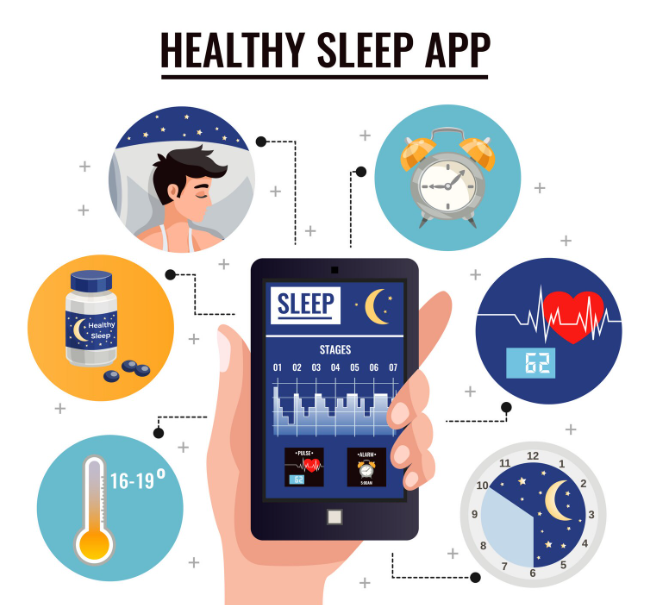
This generation is also digitally fluent – meaning they use tech not just for work and play but for self-tracking and self-optimization. Wearables monitor sleep stages. Apps remind users when it’s time to wind down. Stories, forums, and communities discuss everything from sleep hygiene to circadian rhythms with language that feels grounded and practical.
This shift is backed by science. Contrary to the myth that we all need less sleep as we age, research shows that sleep is fundamental to cognitive function, emotional stability, and physical restoration. And specific interventions are capturing attention.
Sleep as an Act of Self-Care
Modern mindfulness is often associated with meditation or stress management, but sleep has quietly become one of the most important daily practices. For many people today, prioritizing rest is not an afterthought – it is an essential strategy for health, emotion, and performance.
In a world of constant stimulation, where attention is fragmented and stress is commonplace, valuing sleep may be one of the most meaningful cultural shifts underway. This generation is not just chasing more hours in bed – they are seeking better sleep in ways that feel informed, intentional, and compatible with a life lived at pace.
Sleep is no longer a weakness to hide or a default setting to ignore. It has become a subject of inquiry, a point of emphasis in daily routines, and a recognized pillar of wellbeing – and that shift may be one of the most quietly transformative health trends of our time.