
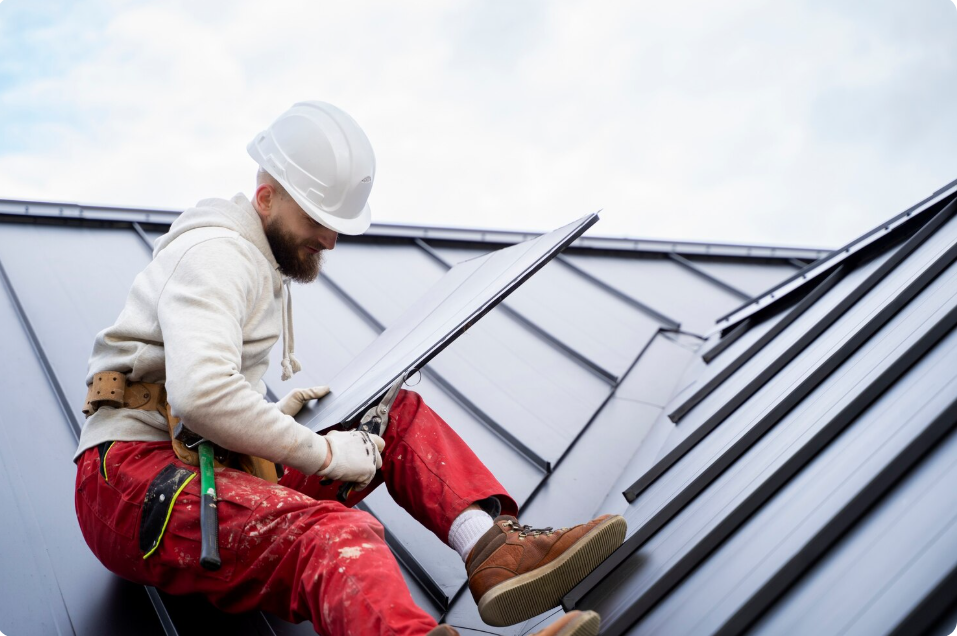
Roof maintenance plays a major role in protecting a property over time, especially for flat or low-slope roofing systems. Unlike steep residential roofs, these structures are more exposed to standing water, sun exposure, and gradual material wear. One option that has gained attention for addressing these challenges is silicone roof coating. Understanding how this type of coating works and when it is appropriate can help property owners make informed decisions about long-term roof care.
This article explores what silicone roof coating is, why it’s used, and how it supports roof durability when applied correctly.
What Silicone Roof Coating Is and How It Works
Silicone roof coating is a liquid-applied roofing material designed to form a seamless, protective membrane over an existing roof surface. Once cured, it creates a flexible barrier that helps shield the roof from moisture, UV exposure, and weather-related wear.
Unlike traditional roofing materials that rely on seams or fasteners, silicone coatings adhere directly to the roof surface. This seamless coverage reduces the number of vulnerable points where water can enter, which is especially beneficial for flat and low-slope roofs.
Why Flat and Low-Slope Roofs Benefit From Coatings
Flat and low-slope roofs face unique challenges compared to pitched roofs. Water drains more slowly, making these roofs more susceptible to pooling. Over time, standing water can accelerate material breakdown and increase the likelihood of leaks.
Silicone roof coatings are often used on these roof types because they:
- Resist ponding water
- Reflect sunlight, reducing heat absorption
- Maintain flexibility through temperature changes
- Create a continuous protective surface
By addressing common stress points, coatings help reduce wear that naturally occurs over time.
How Silicone Roof Coating Differs From Traditional Repairs
Traditional roof repairs typically focus on specific problem areas, such as cracks, seams, or damaged sections. While repairs are important, they may not address overall surface aging or widespread exposure issues.
Silicone roof coating provides a broader solution by reinforcing the entire roof surface. Rather than replacing the roof, the coating enhances existing materials, helping extend the roof’s usable lifespan when the underlying structure is still in acceptable condition.
This approach can be especially useful when a roof shows signs of aging but does not yet require full replacement.
The Typical Silicone Roof Coating Process
Applying silicone roof coating is a structured process that focuses on preparation and proper application to ensure long-term performance.
Roof Evaluation
Before coating is applied, the roof is inspected to assess its condition. Any existing damage, such as cracks or compromised areas, must be addressed first. Coatings are most effective when applied to a roof that is structurally sound.
Surface Preparation
The roof surface is thoroughly cleaned to remove dirt, debris, and residue. Proper preparation ensures strong adhesion and even coverage.
Repair of Problem Areas
Any seams, penetrations, or damaged sections are repaired before coating begins. This step helps create a uniform surface and reduces the risk of future issues.
Coating Application
The silicone coating is applied evenly across the roof surface, forming a continuous membrane once cured. Coverage thickness is carefully controlled to ensure consistent protection.
Final Inspection
After application, the roof is reviewed to confirm coverage is complete and properly applied.
Common Misconceptions About Roof Coatings
While silicone roof coating offers many benefits, misconceptions sometimes lead to unrealistic expectations. Some property owners assume coatings can fix all roof problems or replace structural repairs.
In reality:
- Coatings do not correct structural damage
- Existing issues must be repaired first
- Proper application is essential for performance
- Coatings work best as part of a maintenance strategy
Understanding these limitations helps ensure coatings are used appropriately.
Why Regional Experience Matters for Roof Coating Projects
Climate conditions play a significant role in how roofing materials perform. Sun exposure, temperature fluctuations, and seasonal weather all influence roof aging and coating effectiveness.
Working with professionals familiar with local conditions helps ensure coatings are applied at the right time and in the right way. For property owners seeking knowledgeable assistance, working with specialists experienced in silicone roof coating rancho cucamonga helps ensure the coating solution aligns with regional roofing challenges and building types.
Maintenance After Silicone Roof Coating
Once applied, silicone roof coatings require minimal maintenance, but periodic inspections are still important. Routine checks help identify debris buildup or surface wear before it becomes problematic.
Simple maintenance steps include:
- Keeping the roof surface clear of debris
- Inspecting after severe weather
- Addressing minor issues promptly
These actions help preserve the coating’s protective properties over time.
Conclusion
Silicone roof coating is a practical option for extending the life of flat and low-slope roofs when applied under the right conditions. By creating a seamless, durable barrier, it helps protect roofing systems from moisture, sun exposure, and gradual wear. With proper evaluation, preparation, and maintenance, silicone roof coating can play an important role in long-term roof care and property protection.